As Nature inBlended®

Earl Grey Tea: Ingredients, Bergamot, Benefits, Caffeine and Safety
Share
Category: Tea and herbal beverages Tea plant: Camellia sinensis Characteristic flavouring: Bergamot (Citrus bergamia)
What is Earl Grey tea?
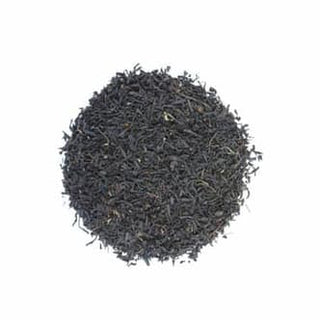
Earl Grey is a flavoured tea traditionally made using black tea scented with bergamot, a fragrant citrus fruit. It is recognised by its distinctive citrus aroma, which is often described as floral, fresh and slightly bitter.
The blend is named after Charles Grey, the 2nd Earl Grey, a British prime minister in the nineteenth century. Stories about how the blend was first created vary, and its precise origin is not conclusively established.
Although black tea is the traditional base, Earl Grey is also available using green tea, white tea, decaffeinated tea and herbal ingredients. The type of tea and the flavouring method affect the finished product.
What is bergamot?
Bergamot is a citrus fruit associated particularly with the Calabria region of southern Italy. Its peel produces a fragrant essential oil used in perfumery, food flavourings and traditional Earl Grey blends.
The aroma of bergamot is complex, with fresh citrus, floral and slightly bitter notes. Commercial Earl Grey may be flavoured with bergamot essential oil, natural flavouring, other flavour preparations or a blend of ingredients. Some products contain bergamot peel or other botanicals as well.
Check the ingredient list to understand what a particular product contains. Not all Earl Grey teas use the same type or amount of bergamot flavouring.
How is Earl Grey tea made?
The production of Earl Grey depends on the tea base and the manufacturer's recipe. A typical process involves:
- Producing black tea from Camellia sinensis leaves.
- Selecting a suitable tea base, often from one or more origins.
- Adding bergamot oil or an approved flavouring preparation.
- Blending thoroughly so that the aroma is distributed evenly.
- Packing the tea to protect its freshness and fragrance.
Some producers scent the leaves with bergamot oil, while others use natural or other flavouring preparations. Earl Grey is a blend style rather than a single botanical variety or fixed recipe.
Naturally occurring compounds
The composition of Earl Grey varies with its tea base and flavouring. A traditional black-tea version may contain:
- Theaflavins and thearubigins: Polyphenols formed during the oxidation of black tea leaves.
- Other tea polyphenols: Plant compounds that vary with the tea origin and processing.
- Caffeine: Naturally present in black tea. The amount depends on the tea, serving size and brewing method.
- L-theanine and other amino acids: Naturally occurring constituents of tea.
- Bergamot aromatic compounds: Fragrant substances from the bergamot flavouring, including compounds associated with its citrus aroma.
The quantity of bergamot oil in a cup of flavoured tea is generally small and varies by product.
Potential benefits and evidence
A low-calorie drink
Plain brewed Earl Grey tea contains very few calories. It can be an enjoyable alternative to sugary drinks when served without added sugar or syrup. Milk, honey and sweeteners change the nutritional content.
Tea polyphenols
Black tea contains polyphenols that have been studied for antioxidant activity and possible relationships with cardiovascular and other health markers. Research findings vary, and laboratory activity does not prove that drinking Earl Grey prevents disease.
Alertness
Traditional Earl Grey made with black tea contains caffeine, which can temporarily increase alertness and reduce tiredness. The effect depends on the amount consumed and individual sensitivity.
Bergamot research
Bergamot extracts and preparations have been investigated in studies relating to blood lipids and metabolic markers. However, studies of concentrated bergamot products are not evidence that a normal cup of Earl Grey produces the same effects. The amount of bergamot flavour in tea is variable and usually much smaller than amounts used in supplement studies.
There is not enough reliable evidence to claim that Earl Grey lowers cholesterol, controls blood sugar, causes weight loss or treats any medical condition.
Evidence assessment: Earl Grey is primarily a flavoured tea enjoyed for its taste and aroma. Research on black tea or concentrated bergamot extracts should not be used to make unproven health claims about an ordinary cup of Earl Grey.
Does Earl Grey contain caffeine?
Traditional Earl Grey made with black tea contains caffeine. The amount varies with the type and quantity of tea leaves, water temperature, steeping time and serving size.
Decaffeinated Earl Grey is also available. Decaffeinated tea usually contains much less caffeine, but it may not be completely caffeine-free.
Some Earl Grey-inspired herbal blends use no Camellia sinensis. These may be caffeine-free, but check the ingredients rather than relying on the product name.
How to prepare Earl Grey tea
For a traditional cup:
- Use one tea bag or approximately 2–3 grams of loose-leaf tea.
- Add around 200–250 ml of freshly boiled water.
- Steep for approximately 3–5 minutes, following the pack instructions.
- Remove the tea bag or strain the leaves.
- Serve plain or add a little milk, lemon or sweetener according to preference.
A shorter steep may give a lighter flavour, while a longer steep can make the tea stronger and more bitter. Avoid repeatedly steeping tea for excessive periods simply to increase its perceived benefits.
Earl Grey can also be served chilled. If making iced tea, cool it promptly and refrigerate it in a clean, covered container.
How much Earl Grey should you drink?
There is no established therapeutic dose of Earl Grey and no proven amount that prevents or treats disease.
Consider its caffeine content as part of your total daily intake from coffee, tea, cola, energy drinks and chocolate. If caffeine affects your sleep or causes unpleasant symptoms, reduce the strength or number of cups, or choose a decaffeinated version.
Safety and considerations
Caffeine sensitivity: Earl Grey made with black tea can contribute to restlessness, anxiety, palpitations and difficulty sleeping in sensitive people. Reduce intake if you experience these effects.
Pregnancy: NHS guidance advises pregnant women to consume no more than 200 mg of caffeine per day from all sources combined. Traditional Earl Grey contributes to this total. Caffeine content varies, so consider the amount in all drinks and foods consumed.
Iron absorption: Tea polyphenols can reduce absorption of non-haem iron, found in plant foods and fortified products, when tea is consumed with meals. People with iron deficiency or at increased risk may prefer to drink tea between meals and seek individual advice from a healthcare professional.
Bergamot and concentrated products: Essential oils are highly concentrated and should not be swallowed unless a product is specifically formulated and labelled for that use and a qualified professional has advised it. Do not add undiluted essential oil to a drink.
Medicines: Ordinary brewed Earl Grey is different from concentrated bergamot products. If you take regular medicines and are considering bergamot supplements or extracts, ask a pharmacist or clinician about possible interactions. Do not stop or change prescribed medicines because of claims about bergamot.
Product sensitivities: Check the ingredients if you have known sensitivities to flavourings or botanicals. Stop using a product if it causes an adverse reaction.
Choosing and storing Earl Grey
When choosing Earl Grey, consider:
- Whether you prefer a traditional black tea base or a green, white or decaffeinated version.
- Clear ingredient information identifying bergamot flavouring.
- Whether the flavour comes from bergamot oil, another flavouring preparation or a combination.
- A reputable supplier and packaging that protects the aroma.
Store tea in a sealed container away from moisture, heat, direct sunlight and strong odours. Follow the manufacturer's storage advice.
Conclusion
Earl Grey is a popular flavoured tea, traditionally made with black tea and bergamot. Its distinctive citrus aroma makes it a versatile everyday drink, enjoyed plain, with milk or as iced tea. There is insufficient evidence to claim that drinking Earl Grey treats high cholesterol or other medical conditions. Enjoy it for its flavour, consider caffeine intake and choose products with clear ingredient information.
References and further reading
- NHS – Foods to avoid in pregnancy: caffeine guidance. The NHS advises a maximum of 200 mg caffeine per day during pregnancy from all sources. https://www.nhs.uk/pregnancy/keeping-well/foods-to-avoid/
- National Center for Complementary and Integrative Health (NCCIH) – Green Tea. Background on tea research, caffeine and safety. Findings about green tea should not automatically be attributed to black tea or Earl Grey. https://www.nccih.nih.gov/health/green-tea
- Harvard T.H. Chan School of Public Health – Tea. General background on tea compounds and the limits of nutrition research. https://nutritionsource.hsph.harvard.edu/food-features/tea/
- European Food Safety Authority (EFSA) – Scientific Opinion on the safety of green tea catechins (2018). Discusses concentrated catechin preparations; it is not a specific assessment of Earl Grey. https://www.efsa.europa.eu/en/efsajournal/pub/5239
- Royal Botanic Gardens, Kew – Plants of the World Online. Botanical information about Citrus bergamia. https://powo.science.kew.org/
In our shop: Earl Grey Tea – 25 Tea Bags
This article is for general information and education only. It is not medical advice and is not intended to diagnose, treat, cure or prevent any disease. Food supplements should not be used as a substitute for a varied, balanced diet and a healthy lifestyle. Do not exceed the recommended daily intake. If you are pregnant, breastfeeding, taking medication, under medical supervision or have a health condition, speak to your GP or pharmacist before use. Keep out of the reach of children.