As Nature inBlended®

Green Coffee Bean Extract: Benefits, Evidence and Safety
Share
As Nature inBlended – Green Coffee Bean EXTREME https://www.asnatureinblended.com/products/green-coffee-bean-extreme
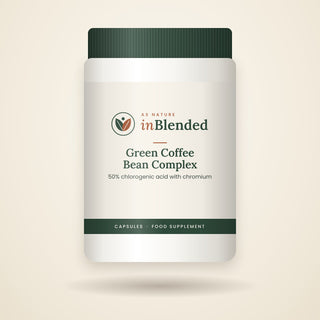
The formula contains 8,000mg of green coffee bean extract providing 50% chlorogenic acid (CGA). It also lists kelp extract (Laminaria japonica), Ceylon cinnamon bark extract, cayenne pepper fruit extract and chromium picolinate. The capsule shell is hydroxypropyl methylcellulose (HPMC).
What's in each serving
60 capsules per pot. Each capsule provides:
| Ingredient | Amount | %NRV† |
|---|---|---|
| Iodine | 200μg | 133% |
| Chromium | 50μg | 125% |
| Green Coffee* | 8000mg | |
| Cinnamon* | 300mg | |
| Kelp* | 80mg | |
| Cayenne Pepper* | 40mg* |
†NRV = Nutrient Reference Value. *Equivalent weight from extract.
Ingredients: Green Coffee Bean Extract 50% Chlorogenic Acid (Coffea Robusta), Capsule Shell: Hydroxypropyl Methylcellulose (HPMC), Kelp Extract (Laminaria Japonica), Ceylon Cinnamon Bark Extract (Cinnamomum Zeylanicum), Bamboo Silica Extract (Bambusa Vulgaris), Cayenne Pepper Fruit Extract (Capsicum Annuum), Chromium Picolinate.
How to take: Take 1 capsule, 1 to 3 times per day or as advised.
Introduction
Green coffee beans are coffee seeds that have not been roasted. They naturally contain chlorogenic acids, a group of plant compounds studied for their possible effects on glucose metabolism, blood pressure and body weight. Green coffee extracts are frequently marketed as weight-management supplements.
The fact that a plant compound has an interesting biological effect does not mean a supplement will produce a clinically meaningful result. Human studies of green coffee extract remain limited, and the amount and composition of extracts vary. This product also includes kelp, cinnamon, cayenne and chromium, each of which raises separate questions about dose and safety.
1. What is Green Coffee Bean Extract?
Coffee beans contain several naturally occurring compounds, including caffeine and chlorogenic acids. Roasting changes the chemical profile of the beans, and unroasted green beans generally retain more chlorogenic acids than roasted coffee.
Chlorogenic acids are polyphenols. Laboratory and early human research has investigated their influence on glucose absorption, glucose handling and other metabolic pathways. These proposed mechanisms are not proof that taking a concentrated extract will cause substantial weight loss or improve health outcomes.
It contains Coffea arabica extract standardised to 50% chlorogenic acid. Standardisation can help describe the proportion of a selected compound in an extract, but it does not by itself establish effectiveness or safety. The total amount taken each day, the exact extract specification and the amount of caffeine are also relevant.
2. Does Green Coffee Help with Weight Loss?
The evidence is mixed and should be interpreted cautiously.
The US National Institutes of Health Office of Dietary Supplements (ODS) notes that only a few clinical trials have examined green coffee bean extract for weight loss and that the early trials were of poor methodological quality. A small meta-analysis reported a possible modest reduction in weight, but the authors noted important limitations. A widely publicised trial was strongly criticised for serious design flaws, and two of its authors later retracted the paper.
Other systematic reviews have also reported small average changes in body weight or body mass index. However, the trials have generally been relatively small and short, and differences in extract composition and study methods make it difficult to draw firm conclusions.
The practical conclusion is that green coffee extract has not been established as a reliable weight-loss treatment. It should not be expected to compensate for dietary patterns, inactivity, inadequate sleep or other factors affecting body weight.
3. What Does 50% Chlorogenic Acid Mean?
The green coffee extract provides 50% chlorogenic acid. This describes the proportion of the specified extract represented by chlorogenic acids according to the product's stated standardisation.
For that reason, it would be inappropriate to calculate a daily chlorogenic acid dose or compare the product directly with a clinical trial. Consumers should look for a clear supplement facts panel showing the extract quantity per capsule and per daily serving, the standardisation, and the caffeine content.
4. Caffeine: an Important Missing Detail
Green coffee beans naturally contain caffeine unless the extract has been specifically decaffeinated.
Caffeine is a stimulant. Depending on the dose and a person's sensitivity, it can cause:
- Difficulty sleeping;
- Restlessness, anxiety or shakiness;
- Headaches;
- A faster heartbeat or palpitations;
- Temporary increases in blood pressure;
- Digestive discomfort.
People who drink coffee or tea, consume energy drinks or take pre-workout products should consider their total caffeine intake. Taking a concentrated extract late in the day may interfere with sleep even if the product is marketed as a natural supplement.
People who are pregnant or breastfeeding, have heart rhythm problems, uncontrolled high blood pressure, anxiety or marked caffeine sensitivity should seek professional advice before using caffeine-containing supplements.
5. Kelp and Iodine: Why the Amount Matters
The formula includes kelp extract from Laminaria japonica. Kelp is a type of seaweed that can contain iodine, an essential trace element.
Iodine is needed to make thyroid hormones. These hormones help regulate metabolism and are important for normal growth and development. In the UK, adults need approximately 140 micrograms of iodine per day. Useful dietary sources include milk and dairy products, eggs, sea fish and shellfish.
More iodine is not automatically better. Excessive intake can disrupt thyroid function, and people with existing thyroid conditions may be particularly sensitive. Kelp products can vary considerably in iodine content, so a label that simply names kelp without stating the iodine quantity does not allow the consumer to assess their intake.
The British Dietetic Association advises against using kelp supplements as an iodine source because the iodine content can vary and may be excessive. Anyone with thyroid disease, taking thyroid medication or using other iodine-containing products should speak with a clinician or pharmacist before using a kelp-containing supplement.
6. Ceylon Cinnamon
Cinnamon is a familiar culinary spice. The product lists Ceylon cinnamon bark extract (Cinnamomum zeylanicum). Cinnamon has been studied for possible effects on blood glucose and other metabolic markers, but results vary according to species, preparation, dose and study design.
Ceylon cinnamon generally contains much less coumarin than cassia cinnamon. Coumarin is a naturally occurring compound that can be harmful to the liver at high intakes over time. Even so, concentrated extracts should be used according to their label and not combined indiscriminately with other high-dose botanical products.
People taking medicines for diabetes should ask a healthcare professional before adding concentrated cinnamon supplements, as combined effects on blood glucose may need consideration.
7. Cayenne Pepper
Cayenne comes from chilli peppers and contains capsaicinoids, including capsaicin. These compounds create the characteristic heat of chilli and have been investigated for possible effects on appetite, energy expenditure and metabolism.
Concentrated chilli extracts may cause heartburn, stomach irritation or abdominal discomfort, particularly in people who are sensitive to spicy foods or have reflux.
8. Chromium Picolinate
Chromium is a trace mineral involved in normal nutrient metabolism. The product contains chromium picolinate, a form used in supplements.
Chromium is sometimes marketed for blood glucose control and weight management. The evidence for weight loss is weak: studies have generally found very small average changes, if any, and the clinical importance is uncertain. Chromium should not be considered a fat burner or a substitute for diabetes care.
Chromium contributes to the maintenance of normal blood glucose levels and normal macronutrient metabolism under the conditions of the applicable authorised nutrient claims.
This is important because consumers may already obtain chromium from food or other supplements. People taking diabetes medicines should consult their healthcare professional before using chromium supplements, as blood glucose monitoring or medication review may be appropriate. People with kidney or liver disease should also seek advice before taking supplemental chromium.
9. is the Combination Better Than the Individual Ingredients?
Research on green coffee, cinnamon, cayenne, iodine or chromium individually cannot establish that the combined formula is effective.
Combining ingredients can also make it harder to identify the cause of an adverse reaction. A stimulant effect may be due to caffeine, while thyroid-related effects may be relevant to iodine exposure.
10. Who Should Take Particular Care?
Seek advice from a GP or pharmacist before using this product if you:
- Have a thyroid condition or take thyroid medication;
- Have high blood pressure, palpitations or a heart rhythm disorder;
- Are sensitive to caffeine, have anxiety or experience sleep problems;
- Take medicines for diabetes;
- Have kidney or liver disease;
- Are pregnant, trying to conceive or breastfeeding;
- Already take iodine, kelp, chromium or stimulant-containing supplements.
Do not combine several weight-management or stimulant supplements without checking their ingredients and total doses. Stop taking a supplement and seek medical advice if you develop an unexpected or persistent adverse effect.
11. a Realistic Approach to Weight Management
A supplement should not be the foundation of a weight-management plan. A varied diet, appropriate portions, regular physical activity, adequate sleep and realistic goals remain more dependable starting points. People who need additional help can speak with a GP or registered dietitian about evidence-based support.
If a supplement is being considered, transparent labelling matters. Consumers should be able to identify exactly what they are taking and how much. A high headline number is not enough to judge the strength, safety or likely benefit of a product.
Key Takeaways
- Green coffee beans contain chlorogenic acids and naturally occurring caffeine.
- Human research on green coffee extract and weight loss is limited; any effect appears modest and is not reliably established.
- 8,000mg of green coffee bean extract standardised to 50% chlorogenic acid, but does not clearly explain the serving basis for that figure.
- Kelp can provide iodine, but iodine levels in kelp products may vary considerably. Excess iodine can affect thyroid function.
- Chromium has recognised nutrient functions, but it is not a proven fat burner.
This article is for general educational purposes and is not medical advice. Food supplements should not be used as a substitute for a varied, balanced diet and healthy lifestyle. Do not exceed the recommended daily dose. If you are pregnant, breastfeeding, taking medication or under medical supervision, consult your GP or pharmacist before use.
Sources and Further Reading
- US National Institutes of Health, Office of Dietary Supplements, Dietary Supplements for Weight Loss – Health Professional Fact Sheet. https://ods.od.nih.gov/factsheets/WeightLoss-HealthProfessional/
- US National Institutes of Health, Office of Dietary Supplements, Iodine – Health Professional Fact Sheet. https://ods.od.nih.gov/factsheets/Iodine-HealthProfessional/
- NHS, Iodine: Vitamins and Minerals. https://www.nhs.uk/conditions/vitamins-and-minerals/iodine/
- British Dietetic Association, Iodine. https://www.bda.uk.com/resource/iodine.html
- Onakpoya et al., The effect of green coffee extract supplementation on anthropometric measures in adults: a systematic review and dose-response meta-analysis of randomised clinical trials. PubMed. https://pubmed.ncbi.nlm.nih.gov/32507437/
- Chlorogenic acid in green bean coffee on body weight: a systematic review and meta-analysis of randomised controlled trials. PubMed. https://pubmed.ncbi.nlm.nih.gov/37710316/
- As Nature inBlended, Green Coffee Bean EXTREME product information. https://www.asnatureinblended.com/products/green-coffee-bean-extreme
Related guides
- Green Tea — Catechins, Antioxidants and What the Evidence Really Says
- Ceylon Tea Benefits: Nutrition, Antioxidants, Caffeine and Health Effects
- Cinnamon Tea: Benefits, Types, How to Make It and Safety
In our shop: Green Coffee Bean
This article is for general information and education only. It is not medical advice and is not intended to diagnose, treat, cure or prevent any disease. Food supplements should not be used as a substitute for a varied, balanced diet and a healthy lifestyle. Do not exceed the recommended daily intake. If you are pregnant, breastfeeding, taking medication, under medical supervision or have a health condition, speak to your GP or pharmacist before use. Keep out of the reach of children.