As Nature inBlended®

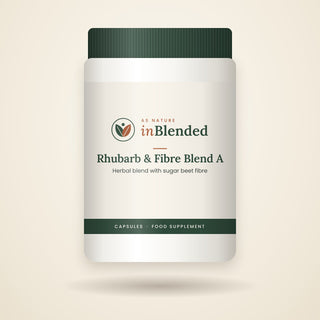
Rhubarb & Fibre Blend A: Sugar Beet Fibre, Rhubarb and Herbal Digestive Supplements
Share
As Nature inBlended – Rhubarb & Fibre Blend A Product listing: https://www.asnatureinblended.com/collections/supplements
Sugar beet fibre is included as a source of soluble and insoluble dietary fibre.
This makes it impossible to compare the blend with clinical studies or assess the amount of each botanical being consumed. It is a herbal colonics complex. That wording should not be taken to mean that routine bowel cleansing or colonic irrigation is necessary or beneficial.
Introduction
Products marketed for “colon cleansing” often combine dietary fibre with herbs traditionally used for digestion or bowel regularity. The ingredients may have very different actions: fibre can increase stool bulk, while certain rhubarb-root preparations contain compounds with stimulant-laxative effects. Other botanicals are used traditionally for digestive comfort, but evidence for a combined formula may be lacking.
It is important to distinguish ordinary constipation support from claims about detoxification or cleansing. The bowel and liver already perform essential waste-processing functions. There is no good evidence that routine colon cleansing removes unspecified toxins or improves general health in people who do not have a medical reason for it.
1. Sugar Beet Fibre: Soluble and Insoluble Fibre
Sugar beet fibre is obtained from the pulp left after sugar is extracted from sugar beet. It contains a mixture of soluble and insoluble dietary fibres.
Dietary fibre helps maintain normal bowel function. Different fibres behave differently: some hold water and form gels, while others contribute to stool bulk. Adequate fibre intake, alongside sufficient fluid, can help support regular bowel movements.
Sugar beet fibre is included because it contributes to an increase in faecal bulk. A small amount in a multi-ingredient capsule should not be assumed to provide the same fibre contribution as a high-fibre food or a dedicated bulk-forming fibre product.
The UK recommendation for adults is to aim for around 30g of fibre a day. Good sources include vegetables, fruit, pulses, wholegrains, nuts and seeds. Increasing fibre gradually can help reduce wind and bloating.
2. Rhubarb Root: a Botanical with Laxative Activity
Rhubarb is familiar as a food, but medicinal rhubarb root is different from the edible stalks used in cooking. Certain medicinal rhubarb-root preparations contain hydroxyanthracene derivatives, including compounds that can stimulate bowel activity.
The European Medicines Agency (EMA) has assessed specific rhubarb-root preparations for short-term treatment of occasional constipation. This traditional medicinal use is not evidence that an unspecified amount of rhubarb powder in a multi-herb food supplement will have the same effect.
It is therefore not possible to establish whether the product contains a laxative dose.
Rhubarb-root stimulant preparations can cause abdominal cramps and diarrhoea. Excessive or prolonged laxative use can lead to dehydration and disturbances in body salts. EMA guidance advises against long-term use and lists important contraindications, including bowel obstruction, inflammatory bowel disease, unexplained abdominal pain and severe dehydration. Medicinal rhubarb-root preparations are not suitable during pregnancy or breastfeeding or for children under 12.
3. Liquorice Root: Traditional Use and a Real Safety Issue
Liquorice root (Glycyrrhiza species) has a long history of traditional use. It contains glycyrrhizin, a compound that can affect the body's handling of sodium and potassium.
High or prolonged intake of glycyrrhizin can cause fluid retention, raised blood pressure and low potassium. In susceptible people, these effects can be serious and may contribute to abnormal heart rhythms.
Do not assume it is a low-glycyrrhizin preparation.
People with high blood pressure, heart or kidney disease, low potassium, or those taking diuretics, corticosteroids, digoxin or medicines affecting heart rhythm should seek advice before using liquorice-containing supplements. The combination of liquorice with stimulant-laxative ingredients such as medicinal rhubarb is an additional reason to be cautious, because fluid and electrolyte disturbances may compound one another.
4. Fennel Seed
Fennel (Foeniculum vulgare) is used as a culinary herb and has a history of traditional use for mild digestive complaints such as bloating and wind.
Some preparations have been studied for digestive symptoms, but the quality and relevance of evidence vary.
People with allergies to plants in the Apiaceae family, which includes celery, carrot and coriander, should check product suitability with a pharmacist or clinician.
5. Ginger Root
Ginger (Zingiber officinale) is used as a food and traditional herbal ingredient. Human research has examined ginger for nausea and some digestive symptoms.
Ginger can cause heartburn, abdominal discomfort or mouth irritation in some people. Concentrated supplements may need extra caution for people taking anticoagulant or antiplatelet medicines, although the degree of interaction risk depends on the product and dose. Ask a pharmacist if you take regular medication.
6. Cayenne Pepper and Clove
Cayenne contains capsaicinoids, which give chilli its heat. Cloves contain aromatic compounds, including eugenol. Both are widely used in food, and both have been investigated for biological effects in laboratory research.
Concentrated chilli can aggravate reflux or stomach irritation. Eugenol from clove can affect blood clotting at high exposures, but the clinical relevance of small culinary quantities is different from concentrated extracts.
7. Burdock Root, Barberry Bark and Dandelion Root
These plants have histories of traditional use in herbal preparations, including products marketed for digestion.
Burdock root (Arctium lappa) is used as a food in some cuisines and in traditional herbal products. Human clinical evidence for bowel cleansing or treatment of digestive disease is limited.
Barberry bark may contain berberine and related alkaloids, depending on the species and plant part. Berberine has been studied for several metabolic outcomes, but it can interact with medicines and should not be treated as a harmless food ingredient.
Dandelion root (Taraxacum officinale) is used in traditional herbal preparations and as a food. Evidence that it improves bowel function or removes toxins in humans is insufficient. People with allergies to related plants or who take medicines should check suitability.
8. Does Colon Cleansing Remove Toxins?
The phrase “colon cleanse” is often used in marketing, but it is not a recognised nutritional requirement. In healthy people, the digestive tract moves waste through the bowel, while the liver processes many substances absorbed from the gut. Routine purging or colonic irrigation is not needed to maintain these functions.
Laxatives can be appropriate medicines for constipation when used correctly, but they are not weight-loss products and do not remove body fat. Any short-term change on the scales after diarrhoea or bowel emptying is mainly related to bowel contents and fluid, not fat loss.
The NHS advises that most adults should try lifestyle measures first for ordinary constipation and seek advice from a pharmacist about an appropriate laxative if needed. Non-prescription laxatives should generally be used for short periods and according to their instructions. Persistent constipation deserves assessment rather than repeated cleansing.
9. Who Should Avoid Self-treatment with This Type of Blend?
Because this product combines fibre and several botanicals, and includes rhubarb and liquorice, seek advice from a GP or pharmacist before use if you:
- Have Crohn's disease, ulcerative colitis, bowel obstruction, severe abdominal pain or unexplained changes in bowel habit;
- Have high blood pressure, heart disease, kidney disease or a history of low potassium;
- Take diuretics, corticosteroids, digoxin, heart-rhythm medicines, anticoagulants or antiplatelet medicines;
- Are pregnant, trying to conceive or breastfeeding;
- Are dehydrated, frail or have a condition that makes fluid or electrolyte imbalance more dangerous;
- Take other laxatives or supplements containing liquorice, rhubarb or stimulant herbs.
Do not use a laxative-style supplement to manage unexplained abdominal pain, vomiting, rectal bleeding or a sudden change in bowel habit. Seek medical assessment.
10. What Would Help Consumers Assess This Product?
Key Takeaways
- Medicinal rhubarb root can have stimulant-laxative effects; it is not the same as eating rhubarb stalks.
- Long-term or excessive laxative use can cause cramps, diarrhoea, dehydration and electrolyte disturbances.
- Liquorice root can raise blood pressure and lower potassium, particularly with high or prolonged intake.
- Fennel, ginger, cayenne, clove, burdock, barberry and dandelion have traditional or experimental uses, but evidence for this combination is not established.
- There is no good evidence that routine colon cleansing detoxifies the body or improves health in otherwise healthy people.
This article is educational and is not medical advice. Food supplements should not be used as a substitute for a varied, balanced diet and a healthy lifestyle. Do not exceed the recommended daily dose. If you are pregnant, breastfeeding, taking medication or under medical supervision, consult your GP or pharmacist before use.
Sources and Further Reading
- NHS, Laxatives: types, use, side effects and precautions. https://www.nhs.uk/medicines/laxatives/
- NHS inform, Laxatives (updated 3 November 2026). https://www.nhsinform.scot/tests-and-treatments/medicines-and-medical-aids/types-of-medicine/laxatives/
- European Medicines Agency, Rhubarb root: summary for the public. https://www.ema.europa.eu/en/documents/herbal-summary/rhubarb-root-summary-public_en.pdf
- European Medicines Agency, European Union herbal monograph on Rheum palmatum L. and Rheum officinale Baillon, radix. https://www.ema.europa.eu/en/documents/herbal-monograph/final-european-union-herbal-monograph-rheum-palmatum-l-and-rheum-officinale-baillon-radix-revision-1_en.pdf
- MHRA, Stimulant laxatives: new measures to support safe use. https://www.gov.uk/drug-safety-update/stimulant-laxatives-bisacodyl-senna-and-sennosides-sodium-picosulfate-available-over-the-counter-new-measures-to-support-safe-use
- NHS, Senna: taking it with other medicines and herbal supplements. https://www.nhs.uk/medicines/senna/
- As Nature inBlended, Rhubarb & Fibre Blend A catalogue description. https://www.asnatureinblended.com/collections/supplements
In our shop: Rhubarb & Fibre Blend A
Related guides
- Dietary Fibre Complex: Psyllium, Plant Fibre and Digestive Health
- Dandelion Tea: Benefits, Preparation, Caffeine and Safety
- Fennel Tea: Benefits, Uses, Preparation and Safety
- Ginger Tea: Benefits, Evidence, How to Make It and Safety
This article is for general information and education only. It is not medical advice and is not intended to diagnose, treat, cure or prevent any disease. Food supplements should not be used as a substitute for a varied, balanced diet and a healthy lifestyle. Do not exceed the recommended daily intake. If you are pregnant, breastfeeding, taking medication, under medical supervision or have a health condition, speak to your GP or pharmacist before use. Keep out of the reach of children.