As Nature inBlended®

Vitamin B12 Methylcobalamin 1mg: Benefits, Deficiency and Safety
Share
Vitamin B12 is an essential nutrient needed for normal red blood cell formation, normal functioning of the nervous system and several important metabolic processes. It is particularly important for people who eat little or no animal-derived food, although diet is only one reason someone may develop a deficiency. Problems with absorption, certain medical conditions and some medicines can also reduce vitamin B12 status.
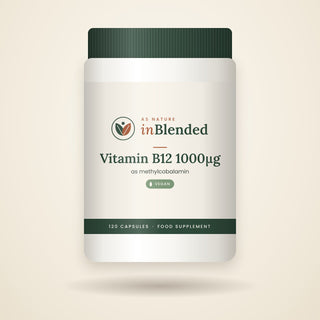
The product name identifies methylcobalamin as the form of vitamin B12 and a strength of 1 mg per capsule. One milligram is equivalent to 1,000 micrograms (µg) .
What is vitamin B12?
Vitamin B12, also called cobalamin, is a water-soluble vitamin. It is needed for several processes in the body, including:
- Normal formation of red blood cells;
- Normal functioning of the nervous system;
- Normal psychological function;
- Normal energy-yielding metabolism;
- Normal homocysteine metabolism;
- The process of cell division.
Vitamin B12 is also involved in the maintenance of the myelin sheath, the protective covering around many nerves. This helps explain why a prolonged deficiency can cause neurological symptoms as well as anaemia.
Vitamin B12 contributes to the reduction of tiredness and fatigue. If a person's B12 status is already adequate, taking a high-dose supplement has not been shown to provide a general energy boost.
Why is methylcobalamin used?
Methylcobalamin is one of the naturally occurring forms of vitamin B12. Other forms used in supplements include cyanocobalamin and adenosylcobalamin. In the body, vitamin B12 is converted into forms that act as co-factors in essential enzyme reactions.
Methylcobalamin is involved in the enzyme reaction that converts homocysteine to methionine. This is one reason it is commonly selected for supplements marketed for nervous system and general nutritional support.
However, there is no convincing evidence that methylcobalamin is universally superior to cyanocobalamin for routine supplementation. The right form and route of treatment depend more on the cause of deficiency, the person's ability to absorb B12 and clinical circumstances than on marketing descriptions.
What does 1mg mean?
The product strength is 1 mg per capsule, which is 1,000 µg. This is a high amount compared with the daily nutritional requirement. The UK reference nutrient intake for adults is around 1.5 µg per day, while the European nutrient reference value used for food labelling is 2.5 µg.
The difference between the amount swallowed and the amount absorbed is important. Vitamin B12 absorption from the digestive tract is limited by a protein called intrinsic factor. At high oral doses, only a small proportion of the dose is absorbed by passive diffusion. Even so, high-dose oral supplements can be used in some circumstances, including under clinical guidance for deficiency.
It supplies a much larger amount than the amount needed by most adults through food, but this does not automatically mean that it is harmful. Vitamin B12 has a relatively wide safety margin, and no tolerable upper intake level has been established because toxicity has not been demonstrated in healthy people at commonly studied supplemental doses.
Where can you get vitamin B12 from food?
Vitamin B12 occurs naturally in animal-derived foods. Useful sources include:
- Meat and poultry;
- Fish and shellfish;
- Milk, cheese and yoghurt;
- Eggs.
Some breakfast cereals, plant-based drinks, meat alternatives and nutritional yeast products are fortified with B12. Check the nutrition label, because not every plant-based product contains added B12.
Unfortified plant foods are not considered reliable sources of active vitamin B12. Seaweed, fermented foods and some mushrooms are sometimes promoted as plant sources, but their B12 content can be variable and may include inactive analogues. People following a vegan diet should use a reliable fortified food or supplement strategy rather than relying on these foods.
Who may be at risk of deficiency?
People who may be at increased risk include:
- Vegans and some vegetarians who do not regularly use fortified foods or a B12 supplement;
- People with autoimmune gastritis, including pernicious anaemia;
- People who have had certain stomach or small-intestine operations;
- People with coeliac disease, Crohn's disease or other conditions affecting absorption;
- Some older adults, particularly where stomach acid production or absorption is reduced;
- People taking certain medicines, including metformin and proton pump inhibitors;
- People with restricted diets or limited food intake.
Vitamin B12 deficiency is not always caused by a lack of B12 in the diet. The body needs stomach acid to release food-bound B12 and intrinsic factor to absorb it efficiently in the small intestine. A person may eat B12-rich foods and still become deficient if this process is disrupted.
NICE guideline NG239 (Vitamin B12 deficiency in over 16s: diagnosis and management) highlights dietary risk, autoimmune conditions, gastrointestinal surgery and medicines such as metformin and proton pump inhibitors as factors to consider.
Signs and symptoms of low vitamin B12
Symptoms can develop gradually and vary from person to person. They may include:
- Unusual tiredness or weakness;
- Pins and needles or numbness in the hands and feet;
- A sore or red tongue and mouth ulcers;
- Pale skin;
- Problems with balance or walking;
- Changes in memory, concentration or understanding;
- Visual disturbances;
- Mood or psychological changes.
Vitamin B12 deficiency can cause neurological problems even when a person does not have anaemia or enlarged red blood cells. Do not rule it out solely because a full blood count is normal.
Some neurological effects can become long-lasting or irreversible if deficiency is not recognised and treated promptly. If you have symptoms or risk factors, speak to your GP rather than relying on a supplement as a substitute for assessment.
Why testing matters
NICE recommends using a blood test measuring total B12 or active B12 as an initial test in most people being assessed for deficiency. The clinician will consider symptoms, diet, medicines and medical history when interpreting the result. Other tests may be needed depending on the situation.
If you are planning to have a B12 blood test, tell the clinician if you have already started taking a supplement. Supplement use can affect test results and make the underlying status harder to interpret.
If deficiency is confirmed, it is important to identify the cause. Dietary insufficiency may be managed with dietary changes and oral replacement. If the problem is autoimmune gastritis or certain types of gastrointestinal surgery, lifelong replacement by injection may be needed. Other causes of malabsorption may require higher-dose oral treatment or injections, depending on clinical assessment.
Do not delay medical assessment because you have started taking an over-the-counter B12 product.
Vitamin B12 and tiredness: will a supplement give me more energy?
Vitamin B12 is needed for normal energy-yielding metabolism and contributes to the reduction of tiredness and fatigue. Correcting a deficiency can improve symptoms caused by that deficiency, although the time taken to recover varies.
For someone with adequate B12 status, there is no good evidence that taking a high-dose supplement provides extra energy, improves stamina or acts as a general tonic. Tiredness has many possible causes, including iron deficiency, sleep disorders, thyroid problems, infection, stress and other medical conditions.
Persistent fatigue deserves proper assessment rather than simply adding more supplements.
Medicines that can affect vitamin B12
Some medicines can contribute to lower B12 levels, particularly with prolonged use. Examples include:
- Metformin, used for type 2 diabetes and other conditions. The MHRA advises that reduced B12 levels are a common side effect of metformin, with risk increasing with higher dose, longer duration and other risk factors.
- Proton pump inhibitors, such as omeprazole, and H2-receptor antagonists, which reduce stomach acid and can affect the release of B12 from food.
- Colchicine and certain other medicines that can affect absorption.
Do not stop prescribed medication because of concerns about B12. If you take metformin or long-term acid-suppressing medication and have symptoms or risk factors, ask your healthcare professional whether assessment is appropriate.
Recreational nitrous oxide use can inactivate vitamin B12 and cause serious neurological problems. A standard B12 blood result can sometimes be misleading in this setting. Anyone experiencing neurological symptoms after nitrous oxide use should seek urgent medical assessment and be honest with the clinician about exposure.
Is 1mg of methylcobalamin safe?
Vitamin B12 is generally considered to have low toxicity, and no formal upper intake level has been set. A 1mg oral supplement is used in some clinical replacement approaches, but whether it is suitable for an individual depends on why it is being taken and whether absorption is adequate.
People with suspected deficiency should seek testing and treatment advice. In particular, anyone with numbness, tingling, balance problems, visual changes or cognitive symptoms should not self-treat without medical assessment.
If you are pregnant or breastfeeding, have a medical condition, take regular medicines or are already using a multivitamin or B-complex product containing B12, check the total intake and seek advice where appropriate. High-dose B12 is often used in pregnancy when deficiency is being treated, but the correct dose and product should be selected with a healthcare professional.
Does taking B12 affect other nutrients?
Vitamin B12 and folate work together in red blood cell formation and cell metabolism. High-dose folic acid can correct the anaemia associated with B12 deficiency while neurological damage continues, potentially making the deficiency harder to recognise. This is one reason unexplained anaemia should be assessed rather than treated with folic acid alone.
Vitamin B12 supplements do not replace the need for a balanced intake of other B vitamins, iron and nutrients. A varied diet remains important.
The As Nature inBlended perspective
At As Nature inBlended, we believe supplements should be used thoughtfully as part of a varied, balanced diet and healthy lifestyle. Vitamin B12 has well-established roles in normal red blood cell formation, nervous system function and energy-yielding metabolism. A reliable source is particularly important for people who avoid animal foods, while some people need assessment because their bodies cannot absorb B12 properly.
Methylcobalamin is a recognised form of vitamin B12, and 1mg provides a high-dose oral source. But the best choice depends on the reason for taking it. If deficiency is suspected, testing and identifying the cause are important, because some conditions require prescribed treatment or injections rather than self-selected supplements.
Food supplements should not be used as a substitute for a varied, balanced diet and a healthy lifestyle. Do not exceed the recommended daily dose. Keep supplements out of the reach of children.
Sources and further reading
- As Nature inBlended – Vitamin B12 Methylcobalamin 1mg 120 Capsules, listed in the Vitamins range: https://www.asnatureinblended.com/pages/ingredients
- NICE Guideline NG239 – Vitamin B12 deficiency in over 16s: diagnosis and management: https://www.nice.org.uk/guidance/ng239
- NHS – Vitamin B12 or folate deficiency anaemia: https://www.nhs.uk/conditions/vitamin-b12-or-folate-deficiency-anaemia/
- NHS – Causes of vitamin B12 or folate deficiency anaemia: https://www.nhs.uk/conditions/vitamin-b12-or-folate-deficiency-anaemia/causes/
- MHRA – Metformin and reduced vitamin B12 levels: https://www.gov.uk/drug-safety-update/metformin-and-reduced-vitamin-b12-levels-new-advice-for-monitoring-patients-at-risk
- NIH Office of Dietary Supplements – Vitamin B12: https://ods.od.nih.gov/factsheets/VitaminB12-HealthProfessional/
In our shop: Vitamin B12
This article is for general information and education only. It is not medical advice and is not intended to diagnose, treat, cure or prevent any disease. Food supplements should not be used as a substitute for a varied, balanced diet and a healthy lifestyle. Do not exceed the recommended daily intake. If you are pregnant, breastfeeding, taking medication, under medical supervision or have a health condition, speak to your GP or pharmacist before use. Keep out of the reach of children.